Marcelino Núñez’s difficulties now span club and country. The Ipswich Town midfielder has lost his place in the team, and Chile have omitted him from their squad for two November friendlies after his abrupt departure from the previous camp. That leaves him short of regular football and without an immediate chance to reset his standing with the national side.
The two problems are unfolding at the same time, but the available facts don’t establish that one caused the other. Núñez’s reduced role at Ipswich had begun before the latest Chile squad was named. The distinction matters: a club selection issue and a dispute with the national team may compound each other, while still requiring separate explanations.
Chile’s omission leaves the camp dispute unresolved
Chile coach Nicolás Córdova selected his squad to face Colombia on November 13 and 17, according to Cooperativa Deportes. Núñez, 26, was not included. The omission confirms that he won’t feature in these friendlies, though it doesn’t explain whether the coach sees the decision as tactical, disciplinary, or a response to the events of the previous camp.
Núñez returned to England early from Chile’s last training camp following reported disagreements with Córdova and teammate Lucas Cepeda. The midfielder’s departure drew scrutiny, and Chilean reports later said he would not represent the country again while Córdova remained in charge. Those reports point to a deeper rupture, but they don’t amount to a public explanation from either side of what happened or what would repair the relationship.
Córdova has not explained the latest omission publicly, so there’s no confirmation that the decision is punishment for the camp dispute. That absence of explanation leaves room for speculation, but the squad itself offers only limited clues: Cepeda has retained his place, while Williams Alarcón returns after more than two years away from the national team. The selection shows that Córdova is making changes around Núñez; it doesn’t settle why he left him out.
The decision has prompted criticism in Chile. Rodrigo Guajardo, editor of PrensaFútbol, said Núñez was wrong to walk away from the squad. He also faulted Córdova for failing to speak with the midfielder after the previous international break. His criticism cuts both ways: it argues that Núñez had a responsibility to stay, while also suggesting the coach had an opportunity to address the fallout directly.
“Chile aren’t in a position to discard anyone. We’ve got no players to spare,” Guajardo said.
That is a pointed assessment of the cost of the standoff. For a national team, leaving a player out can be a selection choice; allowing a strained relationship to linger can become a squad-management problem, especially when the public record offers no clear account of how the disagreement might be resolved.
Limited role at Ipswich adds to the pressure
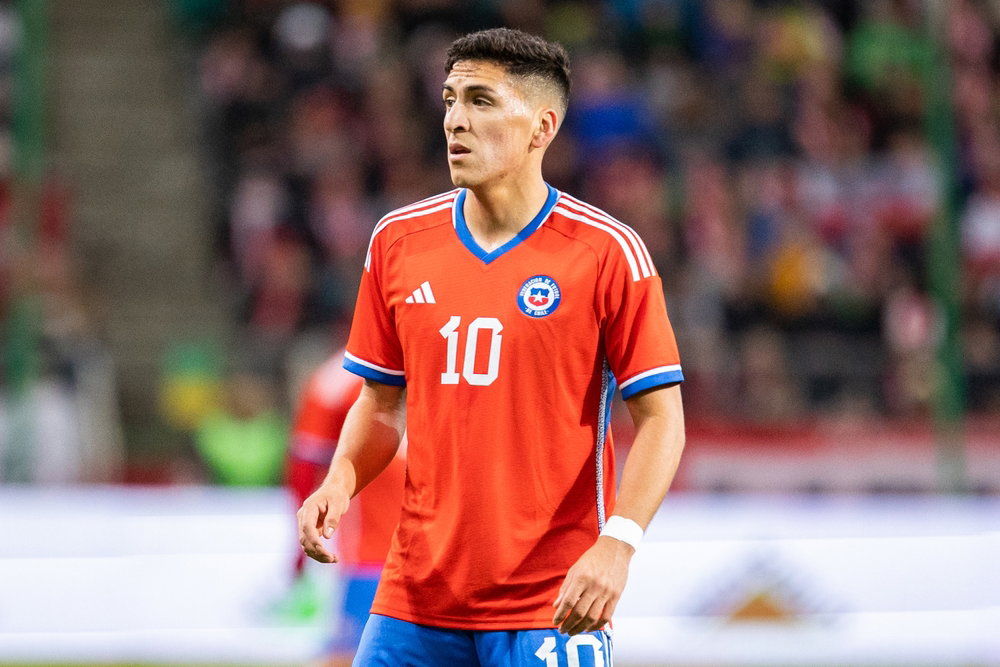
Núñez’s club form had already turned before the Chile controversy. His last first-team outing for Ipswich came against Arsenal on September 15. Since then, he has gone five competitive matches without playing, despite spending 62 minutes with the Under-21s against Anderlecht on October 20. That appearance shows he has had some match action, but it hasn’t translated into a return to the senior side.
He missed the squads for Fulham and Manchester City, then returned to the bench for Nottingham Forest and Hull City without making it onto the pitch. His Premier League record this season stands at two appearances and 142 minutes. Those figures describe a limited role, though they don’t reveal Ipswich’s reasons for selecting other players or indicate what Núñez must do to earn minutes.
That timeline suggests his reduced role at Ipswich isn’t a consequence of the national-team dispute. It began before the latest omission and is visible in his club appearances. Still, the overlap leaves him with little momentum: the player who celebrated reaching the Premier League in September is now struggling for club minutes and won’t have Chile’s November matches as an alternative stage.
This is more significant than it looks. International matches can provide a player with minutes and a chance to rebuild confidence, but that route is closed for Núñez in November. For Ipswich, his place in the team will depend on decisions made within the club; for Chile, the unresolved camp departure adds a separate obstacle.
What happens next depends on two separate decisions
For Núñez, the immediate challenge is to earn his way back into Ipswich’s plans. The recent timeline gives him no guarantee of a quick return, and a place on the bench has not yet produced playing time. If you’re following his season, the clearest near-term signal will be whether he moves back into Ipswich’s matchday role and gets onto the pitch.
A return to Chile will likely depend on resolving the strained relationship around his last camp departure. That could require communication from both the player and the coaching staff, but there’s no public indication yet that such a conversation has happened. Here’s the thing: without an explanation from Córdova or a sign of reconciliation, the omission is clear while its long-term meaning remains uncertain.
For now, two setbacks. And no clear timetable for either to change.