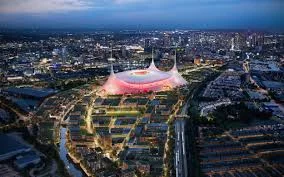
Land secured, plans still taking shape
Manchester United’s proposed 100,000-seat stadium has cleared a significant hurdle: the club now owns most of the land needed for the project, including a 25-acre site near Old Trafford. The venue, described as the “Wembley of the North,” would be England’s largest stadium. That scale makes the land acquisition more than a property transaction. It gives the project a firmer physical footprint, while leaving major questions about how the stadium will be paid for and delivered unanswered.
United hasn’t disclosed the price or explained where the funding came from. The club confirmed that it bought the site from Indurent, an industrial space provider owned by Blackstone. Those details establish who sold the land, but they don’t reveal the terms of the deal or how it fits into the wider project budget. For a development of this size, the distinction matters: buying a key site is a concrete step, while the full financing plan remains unknown.
Keeping the club’s home close
Collette Roche, chief executive of the stadium development, called the acquisition a milestone ahead of the project’s next phase. The site’s proximity to Old Trafford, she said, would allow United to retain traditions and rituals associated with its existing home. That speaks to a challenge facing any club considering a major venue change: a stadium is more than seating capacity and facilities. Supporters attach meaning to the surrounding area, the journey to a match and the routines built up over time.
Location can help preserve that connection, but it can’t guarantee it. A new ground would still have to earn its place in the club’s identity, and the experience supporters value would depend on decisions that haven’t yet been set out. The land deal makes continuity more plausible. It doesn’t settle how the new venue will feel on match day.
Promises to supporters, questions about delivery
Roche said the project would be developed with supporters, with atmosphere, affordability and accessibility among its priorities. Those are substantial commitments because they touch different parts of the stadium experience: how the ground feels, who can afford to attend and whether people can use it comfortably. The statements set out the principles United says it wants to follow, but no specific plans or measures have been disclosed here. Supporters will have to judge the promise against the practical choices that come later.
Roche also described securing the land as critical to a generational opportunity aligned with local and national growth ambitions. That framing puts the project in a broader context than football, though the announcement doesn’t detail what those growth ambitions would mean in practice. The language is expansive; the evidence available so far is narrower. The clearest confirmed development is that United has acquired most of the land it says it needs.
Political timing and the next test
The announcement coincided with Andy Burnham’s swearing-in as an MP after his departure as Greater Manchester mayor. Burnham has been a prominent supporter of the stadium plan, so the timing places the land purchase alongside a change in his public role. The coincidence doesn’t establish a new political commitment or a change in the project’s status. It does underline that the proposal has attracted attention beyond the club and its supporters.
This is more significant than it looks: land ownership can turn a broad proposal into a project with a clearer route to further planning and development. But it’s only one step. The stadium’s financing and other details remain undisclosed, leaving the public with limited information about what comes next or how the stated priorities will be delivered (and this is the part most people overlook). A site, even a large one, isn’t a finished plan.
If you’re working in this space, the next useful signals will be the project details United chooses to publish: how it intends to fund the development, what the next phase involves and how supporter input will shape the design. Until then, the acquisition is a real milestone with an incomplete story attached. Much remains to be shown.