The offer and the gap
Leeds United’s reported €8.5m approach for Nico Elvedi puts Borussia Mönchengladbach in a familiar summer bind. The German club needs to sell if it wants to collect a transfer fee, but Leeds’ opening figure is below Gladbach’s valuation. That leaves both sides with a clear reason to keep talking and a clear reason not to settle quickly.
BILD’s Ruhr-West edition reports that Leeds have made a verbal offer for the 29-year-old Switzerland defender. The proposal wasn’t sent to director of football Rouven Schröder in writing, and Gladbach regard the figure as “too little”. No other bids or interested clubs are currently on the table, according to the report.
The distinction between a verbal approach and a written offer matters. A verbal figure can test whether a deal is possible without committing either club to formal terms; it can also leave room for negotiations to change shape. But the reported response suggests Leeds haven’t yet reached the point where Gladbach feel compelled to accept. The fee is the central obstacle for now, and there’s no reported rival bid to push it higher.
That makes this an early negotiation, not a completed transfer story. The reported €8.5m gives a sense of Leeds’ starting position, while Gladbach’s refusal to treat it as enough shows where the immediate divide lies. Neither detail tells us what either club might accept later.
A contract deadline for Gladbach
Elvedi’s contract expires next summer, leaving Gladbach with a limited window to earn a transfer fee. The club expects he won’t extend his deal. He has wanted to move to the Premier League for some time, and if a move doesn’t happen this summer, he may seek a free transfer when his contract ends.
Here’s the thing: a contract deadline changes the bargaining position as the season approaches. Gladbach can hold to its valuation now, but time is part of the calculation. If Elvedi remains and his deal runs down, the club risks losing the chance to receive a fee. That doesn’t mean it must accept Leeds’ current offer; it means rejecting it carries a cost that becomes harder to ignore as the deadline gets closer.
For Leeds, the same timeline cuts both ways. The club can try to improve its offer while Gladbach still has reason to sell, but it may also have to decide how much weight to give Elvedi’s contract situation and his reported interest in the Premier League. A player’s preference can help explain why a move is plausible; it doesn’t, by itself, bridge the gap between a bid and a club’s asking price.
This is more significant than it looks. A transfer can stall even when the player, manager and selling club’s circumstances appear to point in the same direction, because the fee remains unresolved. If you’re following Leeds’ recruitment, the useful question isn’t simply whether Farke wants Elvedi. It’s whether Leeds are prepared to make an offer Gladbach can seriously consider.
Leeds manager Daniel Farke knows Elvedi from their time together at the German club and is interested in a reunion. Sport Witness has covered previous reports of Leeds’ pursuit.
That prior connection gives the interest a plausible footballing explanation: Farke has worked with the defender and knows him from that period. Still, familiarity shouldn’t be mistaken for a guarantee of a deal. Clubs must weigh a proposed fee against their own plans, and the report offers no detail about how Leeds would use Elvedi or what role Gladbach might expect him to fill if he stays.
Memories of past departures
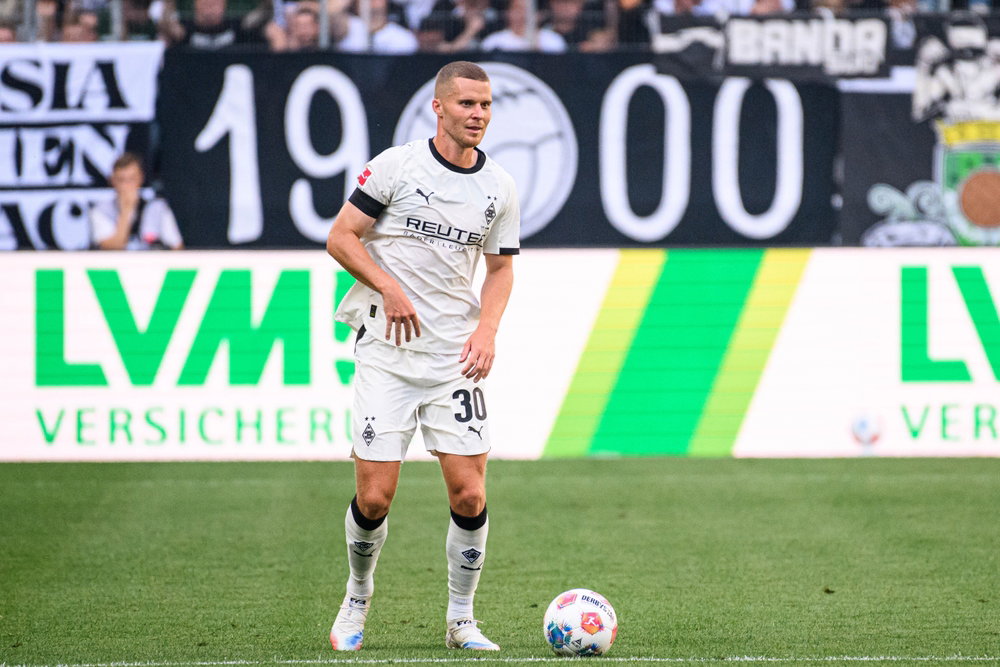
Gladbach are uneasy about the prospect of losing Elvedi without compensation, with the situation recalling the 2023 departures of Marcus Thuram, Ramy Bensebaini and Matthias Ginter. Schröder has played down the concern, saying: “The transfer window is still open for a long time yet. So a lot can and will happen. At least we’re getting a head start on new signings, well ahead of the first big wave.”
The comparison points to a concern about timing and squad planning as much as the transfer fee itself. When players leave at the end of their contracts, a club loses the chance to turn their departures into transfer income. That can make a current bid more attractive in practical terms, even when it falls short of the club’s preferred price. The previous departures don’t establish what Gladbach will do this time, but they explain why the prospect of another unprofitable exit would draw attention.
Schröder’s comments strike a measured note. He acknowledges that plenty can happen while the window is open, while pointing to the club’s effort to get a head start on signings. That may be a way to keep the focus on planning rather than on one player’s uncertain future. It doesn’t answer whether Gladbach would lower its demands, accept a revised offer or keep Elvedi for the final year of his contract.
And yet, the club’s public confidence and its contract position can coexist. Gladbach can plan for arrivals while still trying to secure a fee for a player it expects won’t renew. There’s no contradiction in that; it’s simply the work of managing several possible outcomes at once (and this is the part most people overlook).
What happens next
For now, Leeds are the only club reported to have bid, and the amount hasn’t met Gladbach’s demands. The next move will show whether Leeds are prepared to improve their offer before Elvedi’s final contract year begins.
The lack of reported competition leaves Leeds with room to negotiate, but it also means there’s no evidence that Gladbach are under pressure to accept this particular proposal. Their deadline is real, though, and a prolonged stand-off could narrow the time available to find a sale that satisfies both sides. The outcome will depend on whether Leeds’ assessment of Elvedi’s value moves closer to Gladbach’s, or whether the clubs remain apart long enough for the contract clock to become the dominant factor.
For readers, the clearest signals to watch are straightforward: whether a written bid arrives, whether Leeds raise the reported figure, and whether another interested club appears. Until then, the story is built around a verbal offer and a valuation gap. A possible reunion with Farke gives the move a sporting rationale. The fee and the contract deadline will decide whether that rationale becomes a deal.
One unresolved negotiation. And a ticking contract.
Zion Suzuki | Leeds United in ongoing negotiations to sign goalkeeper
‘Next few days crucial’ https://t.co/6mpAtKEgQ3 #lufc #mot
— Sport Witness (@Sport_Witness) June 27, 2026