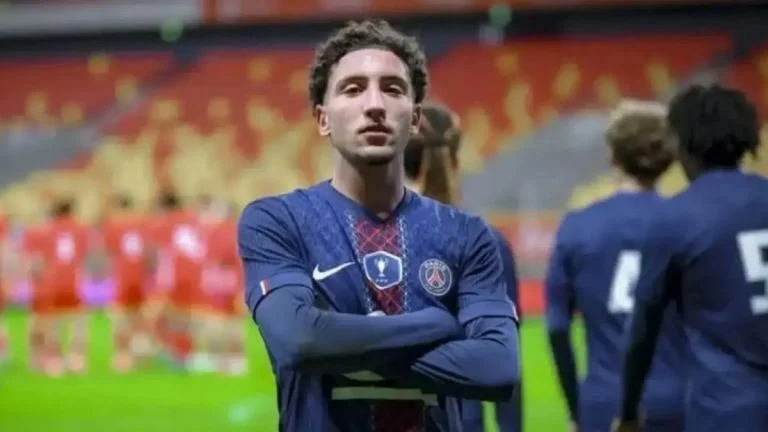
Three departures have put PSG’s youth pipeline under scrutiny. The club’s academy has enjoyed an unusually successful stretch, but French outlet L’Équipe is asking how many prospects will remain after this summer’s exits. The question reaches beyond a few names: for a club that produces a deep pool of young talent, success depends partly on turning that pool into players who see a credible route to the senior side.
That concern sits alongside a familiar challenge for Paris: the route from the academy to the first team is crowded. Young players must weigh staying at a major club against finding a clearer opportunity elsewhere, while PSG has to decide which prospects merit contracts and a place in its longer-term plans. Players without professional contracts can leave, and turnover among young prospects is expected. Still, the number departing has drawn attention, particularly because PSG had offered professional deals to several of them. That makes the exits a test of whether the club’s plans align with what its prospects believe they can achieve there.
Three promising players are on their way out
Pierre Mounguengue signed with Dynamo Kyiv on Wednesday. Samba Coulibaly is expected to join Club Brugge, with Elijah Ly also potentially heading to the Belgian club by the end of the week. The moves point to different destinations, but share a common consequence for PSG: players who had stood out in the academy are preparing to continue their development elsewhere.
Among players in their age group, Adam Ayari was the only one to sign the contract PSG offered. That distinction gives his decision particular weight. A professional deal can signal that a club sees a player in its plans, but signing is only the start; the player still needs a route to meaningful senior experience. For those who leave, the calculation may be that another club can offer a more direct next step.
The departures follow a strong season for the club’s youth sides, where all three prospects had stood out. That timing sharpens the question. Strong results and individual performances can raise expectations around an academy, yet they don’t guarantee that every standout will stay or make the first team. This is more significant than it looks: the quality of a youth system is measured not only by the players it develops, but also by how effectively it retains and advances the ones it most wants to keep.
A crowded route to senior football
PSG’s depth of young talent gives it room to absorb exits, and the club’s recent academy success could continue. But depth can obscure the individual cost of turnover. A large group of prospects may leave the club with options, while each departure still removes a player whose progress had attracted attention.
Here’s the thing: youth development requires more than identifying potential. Clubs need to connect academy performance with a realistic progression plan, and players need to believe that staying offers a worthwhile chance to advance. The source doesn’t establish why Mounguengue, Coulibaly, or Ly are leaving, so their decisions shouldn’t be treated as evidence of a single failure. Even so, the pattern invites scrutiny of how PSG presents opportunities to prospects and how those opportunities compare with what they can find elsewhere.
If you're working in this space, you’ll recognize the tension: a major club can offer elite surroundings and strong competition, but the same depth that signals ambition can make first-team minutes harder to secure. And yet, exits don’t automatically mean the academy has stalled. Some turnover is expected, especially when young players are free to choose their next step. The issue is whether the departures remain manageable while PSG keeps a credible path open for the prospects it wants to retain.
What the exits could mean for PSG
The immediate question is whether PSG can keep enough of its standout prospects on a path toward the senior team. That depends on more than contract offers. The club must make the next stage of development legible to young players: what comes after the academy, how they can progress, and where they fit among the options competing for senior opportunities. The details aren’t provided here, but the broader challenge is familiar across elite academies.
(And this is the part most people overlook.) Retention isn’t a simple scorecard for an academy. A club can develop strong players who choose to leave, while a player who stays still needs a genuine opportunity to progress. For PSG, the season’s positive results offer evidence of a productive youth setup; the departures raise a separate question about whether that productivity can translate into continuity at the club.
For now, Ayari’s decision to sign the offered contract makes him the only player in this group to stay on that professional track with PSG. The club’s depth may help it absorb the losses. The test will be whether it can keep turning academy promise into a pathway players want to follow.
In other news
Roma midfielder Manu Koné is keen on a move to PSG, though other destinations appear more likely. His reported interest adds another thread to PSG’s squad picture, although the available details don’t establish how that situation will develop.
Kang-in Lee has reportedly agreed personal terms with Atlético Madrid, bringing him closer to a return to La Liga. The report points to progress in discussions, but personal terms alone don’t complete a transfer.
DOWNLOAD THE OFFICIAL PSG TALK APP FOR ALL THE LATEST UPDATES – STRAIGHT TO YOUR PHONE! ON THE APP STORE