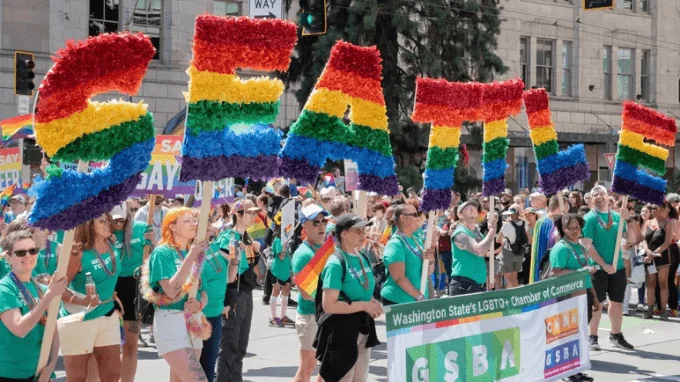
FIFA’s decision to allow rainbow flags at Seattle’s Lumen Field is a narrow measure of inclusion. Supporters can bring the flags into the stadium, but Seattle’s PrideFest remains outside the governing body’s control. That distinction matters: a permission granted at the gates doesn’t make FIFA the organizer or guarantor of the wider celebration. The decision addresses what fans may carry into one venue, while leaving the public event around it to its local organizers.
On Thursday, FIFA confirmed that supporters could bring rainbow flags to Friday’s decisive Group G match between Egypt and Iran, despite objections from both national federations. FIFA said the flags were permitted under the stadium code of conduct and described the World Cup as an event for people of all backgrounds. The statement sets out a rule for the stadium. It doesn’t explain how FIFA will handle every possible disagreement about symbols, displays, or conduct during the match.
The announcement draws a line between allowing a visible sign of LGBTQ identity and taking responsibility for a Pride event. That may sound like a limited distinction, because it is. Still, it gives supporters a direct answer about whether the flags can enter the ground. For fans deciding what to bring, that clarity matters; for PrideFest organizers and attendees, it leaves the larger question of FIFA’s role untouched.
A local celebration meets the World Cup
Seattle PrideFest, organized by a local nonprofit since 2007, had scheduled its celebration for June 26 before the World Cup draw placed the Egypt-Iran fixture on the same date. The overlap put a local community event alongside a match with international attention, creating a point of friction that neither the original schedule nor the draw had resolved. A calendar collision can become more consequential when a major sports event brings visiting teams, supporters, and governing bodies into a city at the same time.
Both federations publicly objected, citing conflicts with their cultural and religious values. Their objections made the match more than a question of stadium policy: they put FIFA’s stated commitment to an event for people of all backgrounds beside the views of two participating federations. The source of the dispute is clear, but its boundaries are narrower than the public debate might suggest. The federations objected to the overlap and its associations; the available facts don’t establish that their objections changed the match schedule or the rules governing flags.
FIFA controls stadiums and official fan zones, but not community events such as PrideFest. Its announcement therefore covers what fans may bring into the venue, rather than the wider celebration taking place across Seattle. That division leaves practical responsibility spread across different organizers. FIFA can set entry rules for the stadium, while the local nonprofit remains responsible for its own event and the city’s celebration continues on its own terms.
That boundary is easy to miss when the same date links a match and a festival in public discussion. FIFA’s decision doesn’t amount to an endorsement of every part of PrideFest, and the scheduling overlap doesn’t make the festival a FIFA event. (And this is the part most people overlook.) The stadium is one controlled space within a citywide occasion, not the whole occasion.
Qatar still shapes the comparison
The decision also recalls the 2022 World Cup in Qatar, where FIFA defended the host’s cultural norms as European captains sought to wear rainbow-colored “One Love” armbands. Qatari officials viewed the symbol as criticism of the country’s criminalization of same-sex relations. The Seattle flag decision presents a different question: what supporters may bring into the stadium, rather than what captains may wear as an official on-field gesture.
The comparison is useful, but it has limits. The Qatar dispute involved armbands worn by team captains and the host country’s response to a symbol tied to LGBTQ rights. In Seattle, FIFA has confirmed that spectators may bring rainbow flags despite objections from the two federations. Those details suggest a shift in the specific permission being discussed, but they don’t by themselves show that FIFA has adopted a broader policy or resolved the tensions that surfaced in Qatar.
FIFA president Gianni Infantino said in January that Seattle would not host a “Pride Match”; it would be a World Cup game alongside separate events in the city. His wording draws the same institutional boundary as the flag decision. FIFA is staging the match, while PrideFest is a separate local event. The distinction lets the governing body permit a visible symbol inside the stadium without presenting the match as part of the city’s Pride celebration.
There’s a tension in that approach. FIFA can say the tournament is for people of all backgrounds and allow rainbow flags, while declining to call the match a Pride event. That may be a workable description of who controls which venue, but it also limits what the announcement promises. It tells fans that the flags can enter; it doesn’t settle how FIFA will respond to future conflicts over other expressions of identity or how it will reconcile broad inclusion language with objections from participating organizations.
What the decision signals
This is more significant than it looks, though its reach is narrow. A rule allowing supporters to carry rainbow flags gives that expression a place in the stadium during a match that drew objections from both federations. At the same time, the decision stops short of making FIFA responsible for PrideFest or recasting the game as a themed event. Inclusion here is defined through access to a venue, not through control of the city’s celebration.
If you’re working in this space, the distinction is a reminder to read FIFA’s statements closely: a permission, an endorsement, and an organizing role are different things. Supporters can reasonably see the flag rule as meaningful, while organizers may still find the limits of FIFA’s involvement unsatisfying. Both readings fit the facts. The governing body has opened one door, while leaving the broader event under local control.
What happens next will depend on how the policy is applied at the stadium and how the separate events proceed. The source gives no further details about enforcement, attendance, or changes to the schedule, so claims about those outcomes would be premature. For now, the clearest result is modest and concrete: rainbow flags are permitted at Lumen Field for the Egypt-Iran match, while Seattle PrideFest remains a separate community celebration.
Readers seeking further information can contact the writer of this story at [email protected].