Levy's Exit Signals Major Shift for Tottenham Hotspur
The recent sale of Daniel Levy's majority shares in ENIC, the parent company of Tottenham Hotspur, marks a significant turning point for the club. Eight Sports Capital, a British Virgin Islands-based investment firm led by Brooklyn Earick, acquired a 24.99% stake in ENIC for roughly £1 billion. This transaction reduces Levy's influence, as he now holds just under 26% of the club. Given Levy's long-standing tenure, this change reverberates far beyond mere percentages; it opens the door to new governance structures and could reshape the club's future both on and off the pitch.
Understanding the Stakes
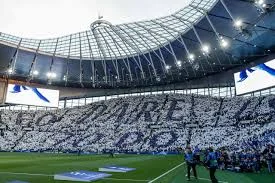
You have to consider what this move signals in a broader context. First, let's acknowledge Levy's role over the years. As the driving force behind Tottenham's ambitious transformation, he’s been pivotal in the club's rise in competitiveness within the Premier League. His management has included the substantial investment in the new Tottenham Hotspur Stadium, a project that many viewed as essential for increasing revenues and putting the club on par with elite teams globally.
The sale to Eight Sports Capital further complicates the narrative of ownership in professional football. Similar systems typically operate under the auspices of private investment firms or wealthy individuals whose priorities can differ significantly from those of traditional football club ownership. In this case, the encroachment of a third party might lead to a shift in operational priorities. What does it mean when a large financial entity steps into the shoes of a historically influential figure like Levy?
A Complete Governance Overhaul?
Levy's longstanding management role had been pivotal in shaping Tottenham's direction, which raises intriguing questions about the future governance of the club. With Joe Lewis and his family trust controlling approximately 70% of ENIC, this shift could signify a rearrangement of authority and priorities within Tottenham's executive functions. The question isn't just about who owns the club; it’s about who will lead it moving forward.
In businesses like football clubs, leadership dynamics are crucial. They define strategic directions, set financial priorities, and frame club culture. Levy's diminished stake may lead to increased pressure on the board to make decisions aligned with broader financial interests rather than those purely focused on sporting success, which may alienate loyal fans. That said, the change invites a fresh perspective. New ownership could bring a re-evaluation of player transactions, sponsorships, and overall club philosophy.
Investment Dynamics in Football
This development isn't merely about numbers; it underscores a larger narrative of investment dynamics in football. The industry has seen a rise in diverse ownership structures, with many clubs being acquired by foreign investors who may have differing alignments with fan interests. The scrutiny surrounding motivations will only increase, especially with greater attention on financial fair play regulations and fan engagement issues.
For fans, the feelings surrounding such transitions are mixed. Some are hopeful for a more commercially savvy approach that might attract better talent and better results on the pitch. Others fear that profit will take precedence over passion. This sentiment isn't unfounded; history has shown that clubs can oscillate dramatically in their fortunes based on ownership choices and their accompanying philosophies. Fans will closely watch how Tottenham’s strategic direction unfolds following this sale.
The Implications
What does this shift mean for Tottenham beyond immediate operational changes? In practical terms, it could lead to reshuffling at the executive level. We'll likely see both financial and strategic ramifications as Eight Sports Capital seeks to protect its investment. Stakeholders may find themselves asking if this new ownership model prioritizes financial success over emotional connections with the club.
The implications, however, may rise beyond football finance. The approach taken by Eight Sports Capital will likely serve as a litmus test for the growing trend of private equity in sports. Will they be able to meld business acumen with the soul of the game, or will we witness the often raw corporate style that has sparked criticism in other sports? And this is the part most people overlook. Investing in a football club comes with unique challenges that don't always present themselves in typical corporate ventures.
A New Dawn for Football Clubs?
If you're working in this space, whether as a fan, analyst, or investor, it’d be prudent to keep an eye on Tottenham’s forthcoming strategies. This shift is indicative of broader trends in football, where traditional club ownership models are increasingly challenged by the financial imperatives of investment firms. We've seen several teams navigate this tumultuous terrain, with results varying greatly. The potential for a new governance model that respects both corporate necessity and fan loyalty could redefine expectations across the Premier League and beyond.
In short, this ownership transition opens the door for experimentation, academic study, and fan scrutiny alike. The next chapter for Tottenham Hotspur may very well set new benchmarks in how football clubs operate, aiming to balance fiscal responsibility with the passion that drives fans worldwide. Whether this shift proves advantageous or detrimental remains to be seen, but it certainly signals a new era not only for Spurs but perhaps for football clubs on the whole.
For further analysis on the implications of this sale, you can read more here.